
IF YOU PLAN FOR A YEAR, PLANT KALO
IF YOU PLAN FOR TEN YEARS, PLANT KOA
IF YOU PLAN FOR A HUNDRED YEARS,
TEACH THE CHILDREN ALOHA ‘ĀINA
Kaʻala Farm
& Cultural Learning Center
E Huli Ka Lima i Lalo.
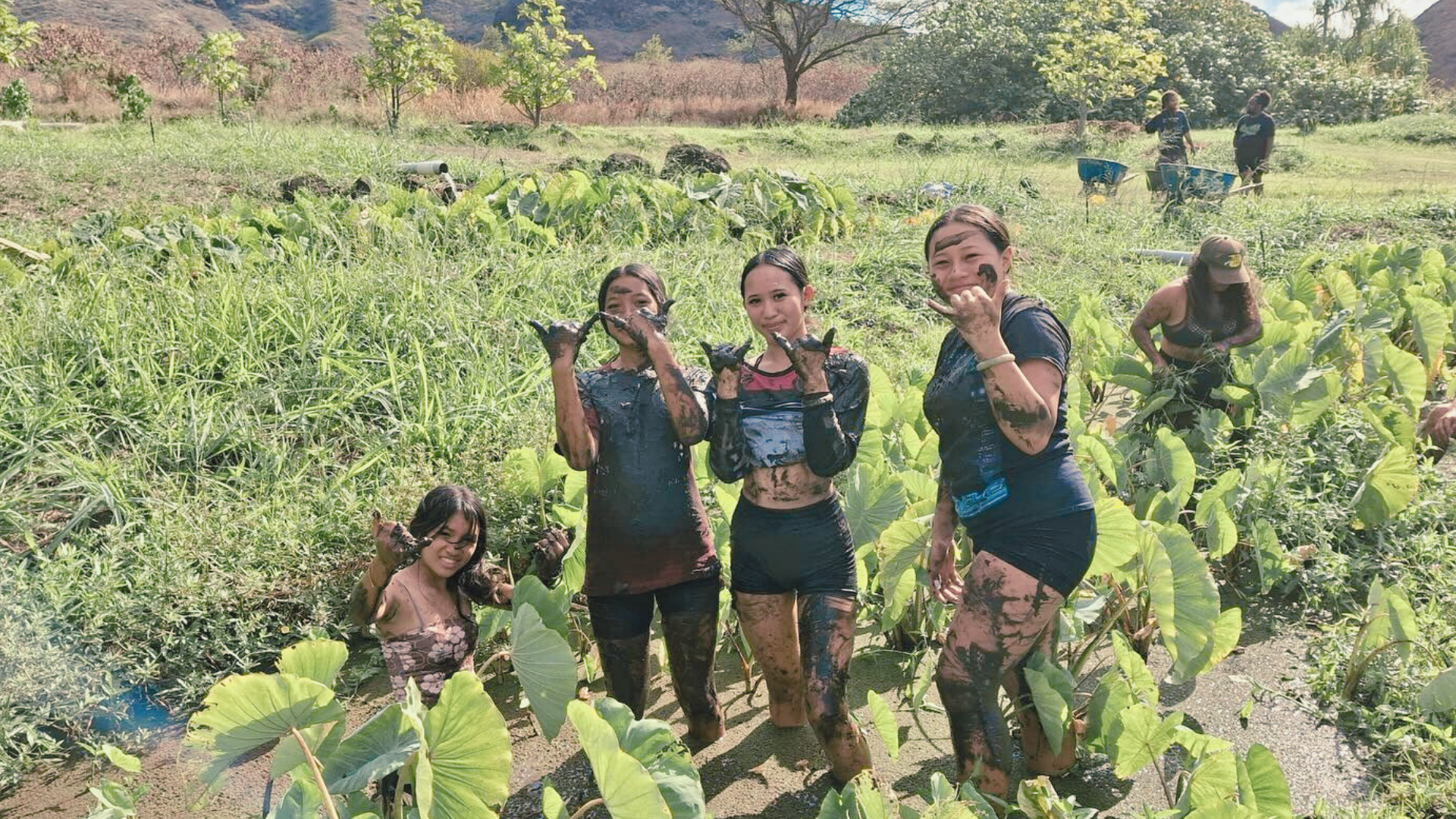
Come get muddy with us.
3 ways to visit us at Ka’ala Farm.
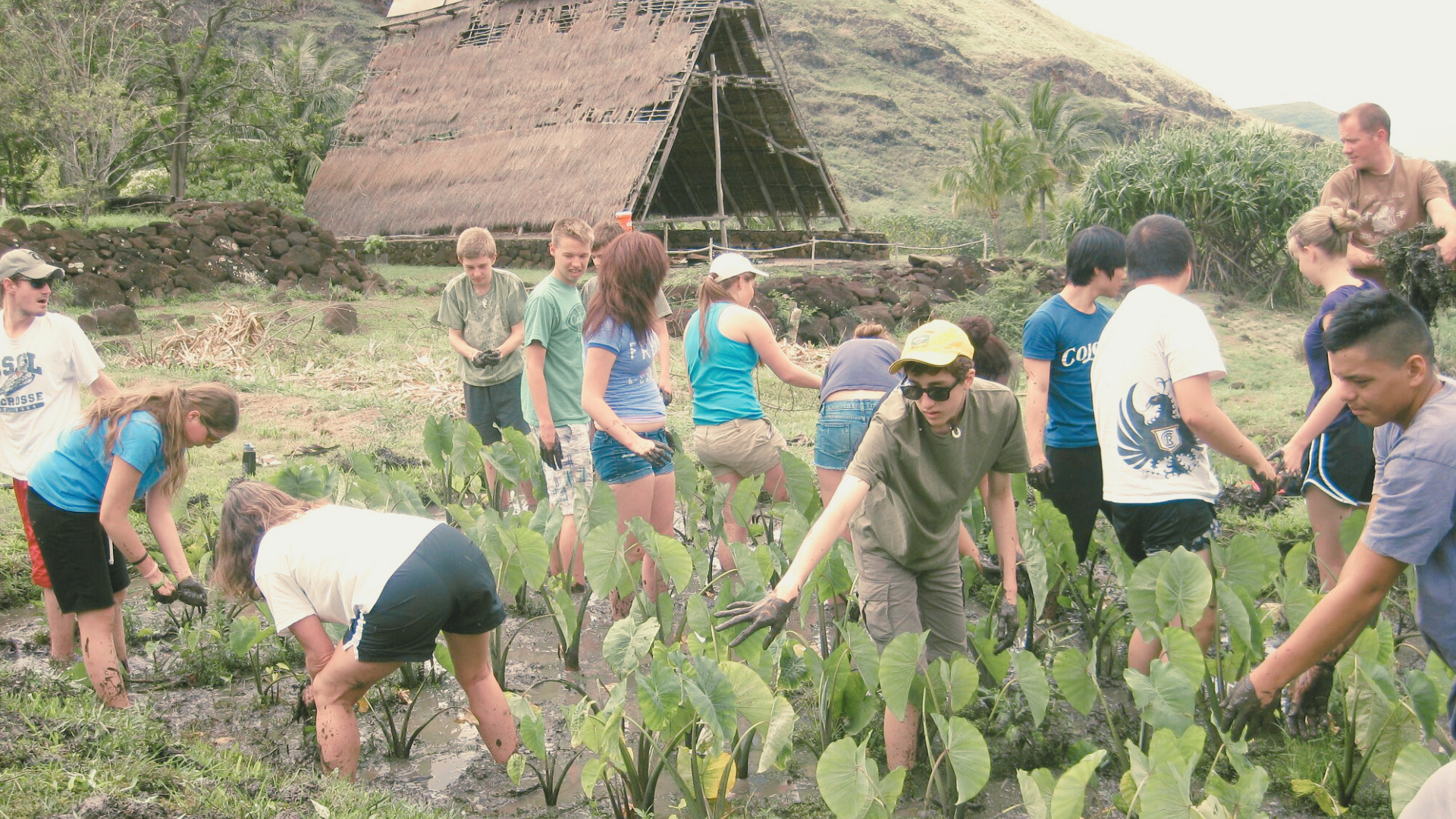
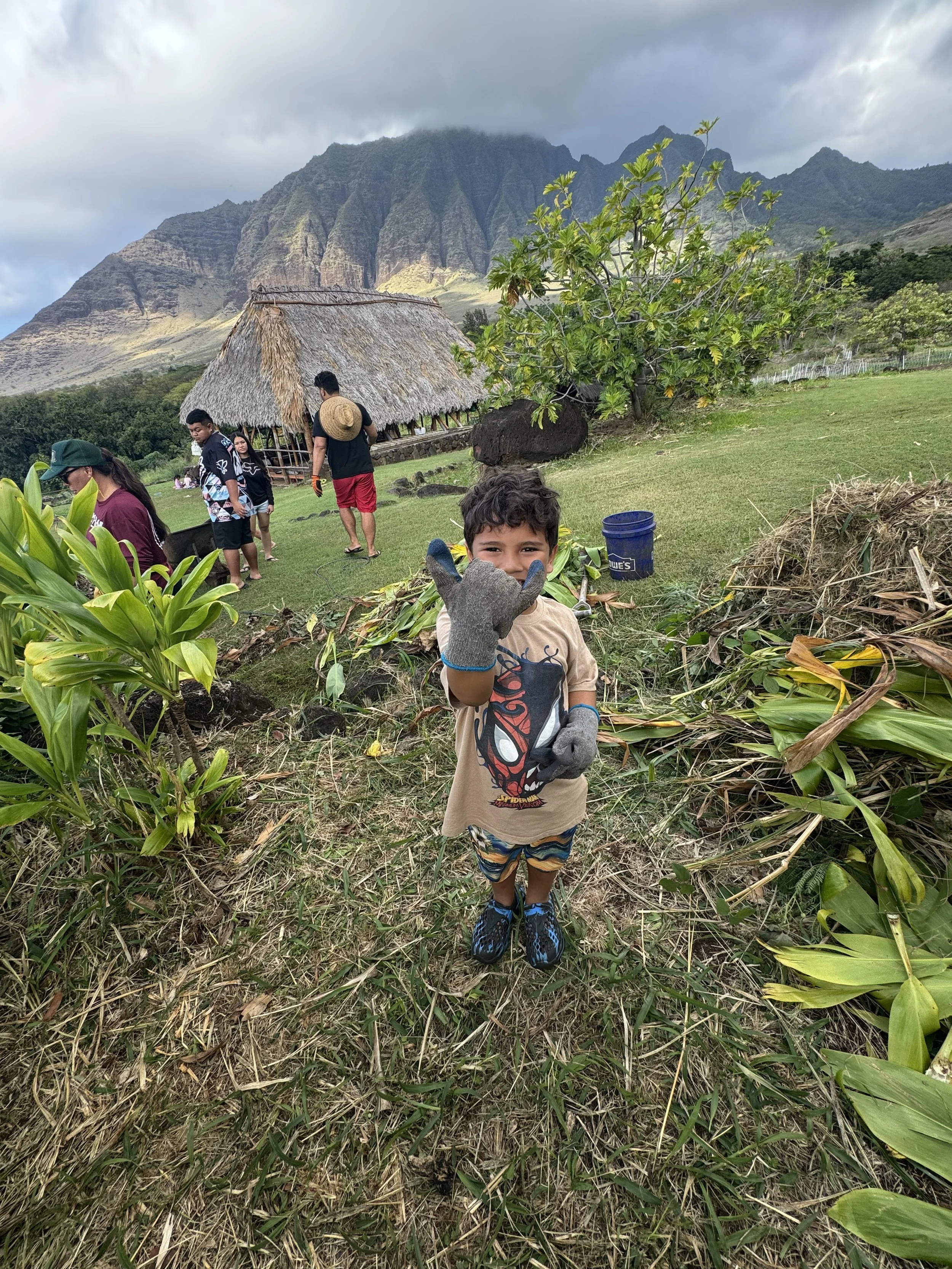
Community Work Days
Come as you are, get your hands dirty, and learn alongside us. These days are open to the public, and families of all ages are welcome.
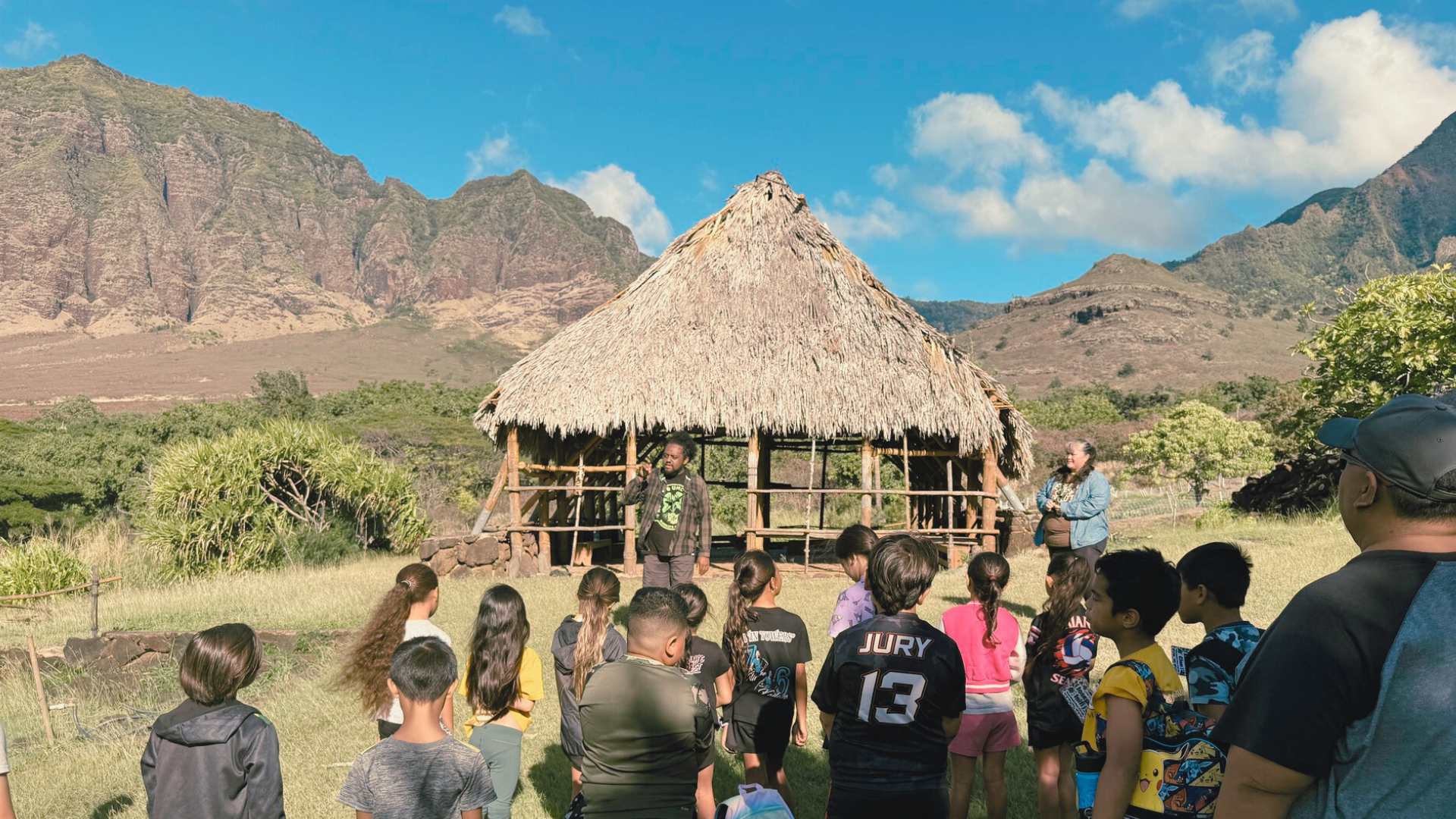
We work alongside educators to create meaningful, hands-on learning experiences for our haumāna (students). Through doing, connecting, and caring for the land, students leave feeling grounded, inspired, and deeply connected to place.
Educational Group &
School Visits
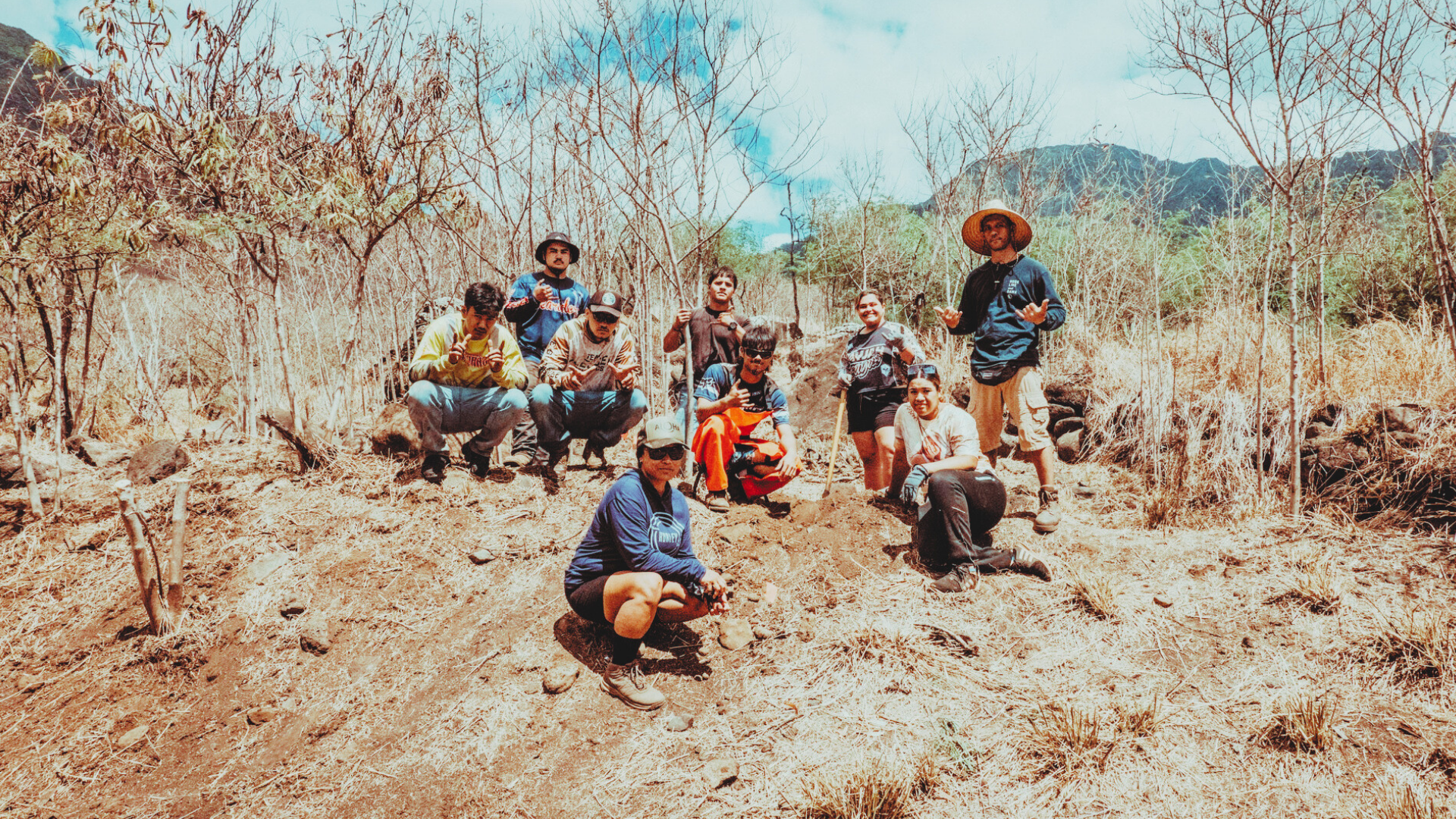
Special Groups
Bring your hui (group). From companies to clubs to your favorite crew, farm days turn coworkers into collaborators and groups into ʻohana (family)—no trust falls required.
As a small but mighty team, our planning process may take up to two weeks. We kindly ask that initialvisit requests be submitted at least three weeks before your proposed dates. Mahalo (thank you) for your patience and understanding.
Questions? Email info@kaalafarm.org.
Kaʻala Farm is more than an environmental classroom—it sits within an ancestral footprint shaped by generations of care.
Our programs provide hands-on access to ʻāina (land) and cultural knowledge, inviting students and groups to learn by doing, in the same place and through many of the same practices as the poʻe kahiko (ancient people) of Hawaiʻi.
Plan a visit.
Join our hui.
OUR IMPACT
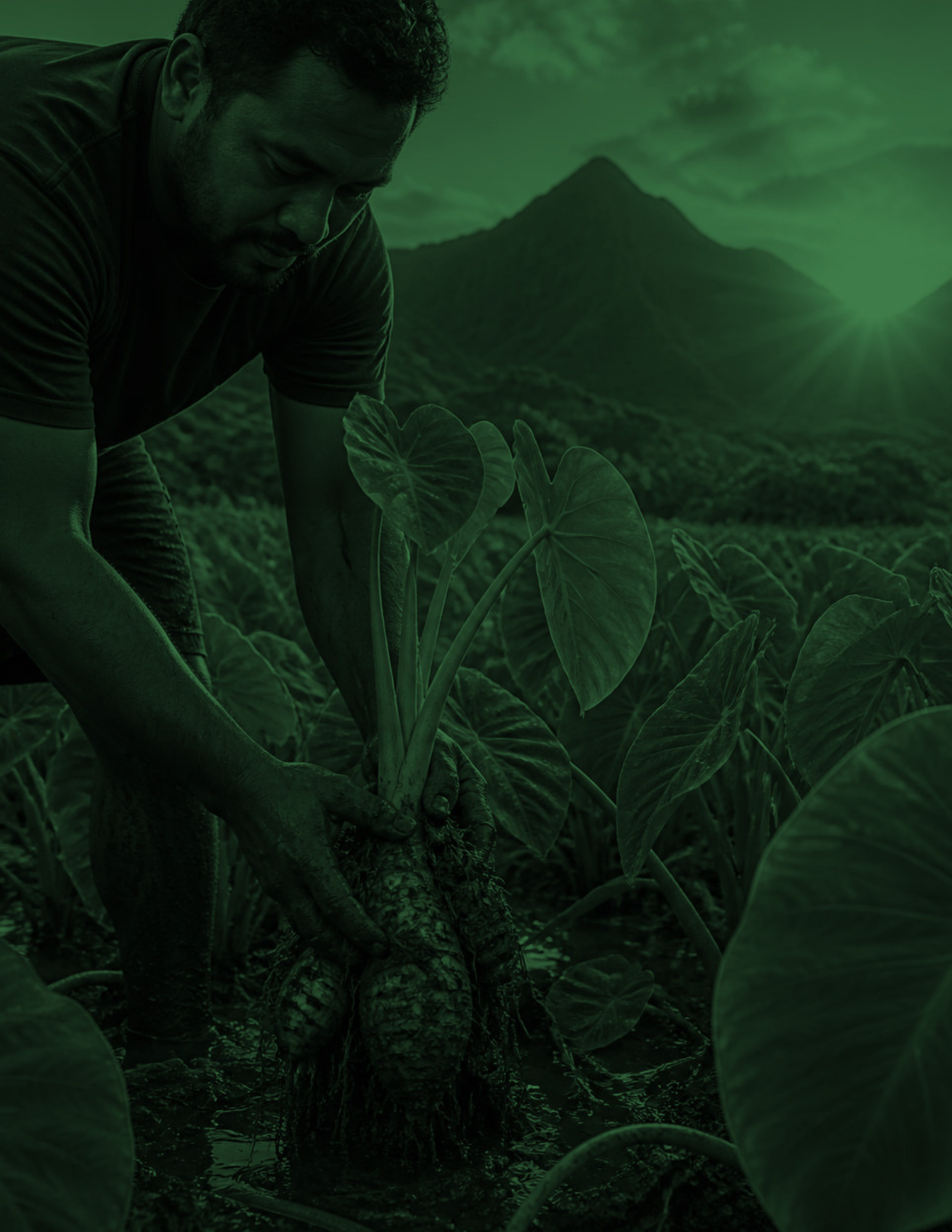
We restored historic 40 loʻi kalo. Today, we maintain & harvest from these same wet taro patches.
Taro Terraces
40
97
We restored & continue to steward 97 acres of public lands, to their former Indigenous agricultural infrastructure.
Acres
3,000
Students
Every year, we host approximately 3,000 visitors and students at the farm.
By returning food to the people, we strengthen pilina (relationships)—restoring the living connection between ʻāina (land), culture, and community, and ensuring that knowledge is carried forward through practice, not just memory.
All kalo (taro) and produce grown at Kaʻala Farm are shared back with the community, following practices rooted in Hawaiian values of kuleana (responsibility), reciprocity, and care. First priority goes to Waiʻanae food banks and kūpuna (elders) caregiving efforts, followed by educators and learning spaces that request kalo for cultural practice and learning—such as poi pounding, ʻike kūpuna (ancestral knowledge) demonstrations, and hands-on ʻike ʻāina (land-based knowledge) education.
For us, growing food is not separate from culture. Kalo is an ancestor, a teacher, and a reminder of our responsibility to one another.
From written stories to video shorts to virtual reality, our friends have shared Kaʻala Farm in powerful and creative ways. Explore more.
Help Us Grow.
Seed the next generation.
By supporting this work, you’re helping strengthen food sovereignty in Hawaiʻi—ensuring that kalo (taro), the ancestral foundation of our food system, continues to nourish our communities today and into the future.
Every recurring contribution directly supports Kaʻala Farm’s land-based programs serving nā ‘opio (youth), nā ‘ohana (families), nā haumana (students), and nā kūpuna (elders). Together, this work restores ʻāina (our environment), passes on cultural knowledge, and helps sustain community wellbeing.